Consign Luxury Fashion and Maximize Your Return
- thefashionauctione
- 6 days ago
- 5 min read
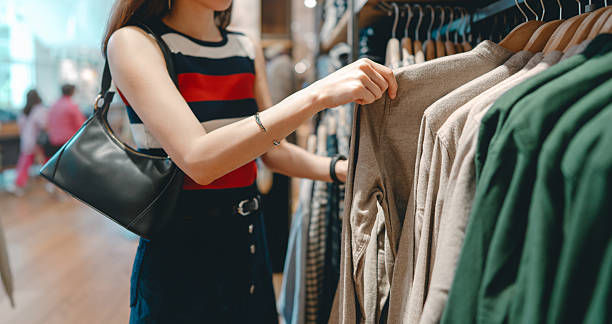
There is a unique feeling that comes with owning high end designer fashion. From the impeccable structure of a tailored coat to the heavy, precise hardware of an investment handbag, these items are built to last a lifetime. Yet, as our personal styles evolve, our careers shift, or our storage needs change, many of these beautiful investments end up sitting in darkness at the back of a closet. Leaving a pristine leather bag or a runway silk dress untouched for years isn't just a waste of aesthetic brilliance, it is also holding onto thousands of dollars in stagnant financial liquidity.
The secondary luxury market has matured significantly, moving away from chaotic garage sales and generic auction websites. Today, wise collectors look at their wardrobes as fluid fashion archives where garments can be cycled out responsibly to fund new style chapters. If you want to unlock the capital tied up in your wardrobe without dealing with lowball offers, time wasting messages, or shipping scams, consignment is your most powerful tool.
Understanding the True Mechanics of Consignment
Many people confuse consignment with a direct buyout, but the two operations are fundamentally different. When you use a direct buyout service, a retailer offers you a lump sum of immediate cash on the spot and takes full ownership of your item. While this gives you instant gratification, the payout is typically much lower because the retailer assumes all the financial risk of holding the inventory until a final buyer eventually shows up.
Consignment, on the other hand, is a mutual partnership. You retain legal ownership of your luxury goods while a specialized boutique or digital platform acts as your expert broker. They handle the professional studio photography, write up descriptive marketing details, provide global retail visibility, and look after secure storage. In exchange for this end to end service, the consignment partner takes a percentage fee only after the item successfully sells. This model allows you to capture the actual retail premium of the item, resulting in a significantly higher financial payout at the end of the day.
The Hidden Complexity of the Luxury Resale Market
Attempting to sell premium goods independently on general peer to peer marketplace apps can quickly turn into a stressful part time job. High ticket pieces inherently attract a large volume of problematic behavior from digital scammers, unauthorized credit card chargebacks, and buyers trying to negotiate unrealistic discounts. Furthermore, because the internet is flooded with sophisticated counterfeit items, casual buyers are deeply skeptical of independent listings and often refuse to pay fair market prices to unverified private sellers.
This is exactly where the value of a specialized broker becomes obvious. When you choose to consign luxury fashion with experts, you are instantly bypassing all of those personal risks. Premium consignment houses have established massive, built-in audiences of affluent shoppers who trust their authentication standards completely. They employ in-house gemologists, master watchmakers, and textile curators who meticulously inspect every stitch, serial number, and zipper brand before a product is launched. This layer of professional validation gives global buyers the absolute confidence required to pay premium prices, which naturally speeds up the entire sales process for you.
How to Prepare Your Collection for Maximum Valuation
To secure the highest possible valuation from your consignment partner, you need to treat your items with the respect they deserve before handoff. The premium market is driven heavily by consumer presentation, and initial impressions dictate the final price tag.
Locate the Original Accoutrements: Hunt down the original boutique dust bags, branded boxes, authenticity cards, and retail receipts. Having the complete original packaging can easily boost the final resale value of a luxury handbag or accessory by fifteen to twenty percent.
Invest in Minor Restoration: Send delicate silk or structured wool items to a high quality dry cleaner. For premium leather goods, use a gentle microfiber cloth to clear away dust, and use a dedicated leather conditioner to soften light surface scuffs.
Be Transparent About Alterations: If a pair of designer trousers has been professionally hemmed or a vintage jacket blazer has had the shoulder pads adjusted, share this information upfront. Honesty preserves your professional relationship with the platform and eliminates the headache of return disputes.
Navigating the Commission Split Structure
Resale platforms utilize varied commission schedules that fluctuate depending on the brand name, the item type, and the final estimated market value. For contemporary clothing labels, standard industry splits frequently land around fifty-fifty.
However, if you are bringing in a high tier investment piece, such as a pristine Hermès Birkin bag, a classic Chanel double flap, or a luxury Swiss timepiece, you hold significant negotiating leverage. Because these specific heritage pieces are in constant global demand, reputable consignment hubs will often slash their administrative fees to secure your inventory, offering you an elevated split that can reach seventy-five or even eighty-five percent of the final sale price back into your pocket.
Conclusion: Embodying the Spirit of Sustainable Style
Stepping into the world of luxury consignment is a highly sophisticated lifestyle choice that serves both your wallet and the planet. It completely reframes how you look at shopping, transforming random impulse buys into calculated asset management.
By passing your beautifully maintained fashion investments along to their next appreciative home, you are actively participating in a cleaner, circular economy that reduces industrial textile waste. It keeps your personal living space beautifully organized, frees up significant capital to finance your next seasonal style transition, and ensures that the magnificent artistry of top tier fashion designers continues to be celebrated out in the open air rather than remaining trapped inside a dark wardrobe.
FAQ's: Master the Luxury Consignment Protocol
How do consignment platforms determine the initial listing price for my clothes? Platform specialists determine the list price by analyzing vast amounts of real-time market data. They evaluate the current retail cost of the brand, the overall physical condition of your item, how historical resale trends have performed for that specific style, and the current seasonal demand. They aim to strike a precise balance between maximizing your financial return and ensuring the item sells within a reasonable timeframe.
What happens if my consigned luxury clothing does not sell after a few months? Standard consignment contracts typically run for a period of ninety to one hundred and twenty days. If an item remains unsold as time goes on, the contract usually outlines automatic markdown percentages, such as a twenty percent drop after thirty days, to stimulate buyer interest. If the item still hasn't found a home by the end of the formal contract period, you can choose to have it shipped safely back to you or allow the shop to clear it out via a deep warehouse clearance sale.
Are my high value items insured while they are sitting in a consignment warehouse? Reputable, premium consignment operations carry comprehensive commercial insurance policies that protect your luxury goods from theft, accidental water damage, fire, or loss while the items are in their custody. Before you sign a contract or hand over your collection, always read the fine print to confirm that the platform explicitly covers the full estimated resale value of your goods rather than just the basic manufacturing cost.
Which specific designer categories hold their resale value best over time? Classic leather goods, fine jewelry, and luxury timepieces consistently retain their financial value better than seasonal clothing items. Heritage brands like Hermès, Chanel, Louis Vuitton, Patek Philippe, and Cartier regularly experience the highest value retention, often matching or occasionally exceeding their original retail boutiquing prices due to artificial scarcity and consistent worldwide demand.


Comments